
Non-Surgical Spinal Decompression Therapy
Surgery isn't always the next step — and for many patients dealing with herniated discs, sciatica, or degenerative disc disease, spinal decompression therapy is the option no one told them about.
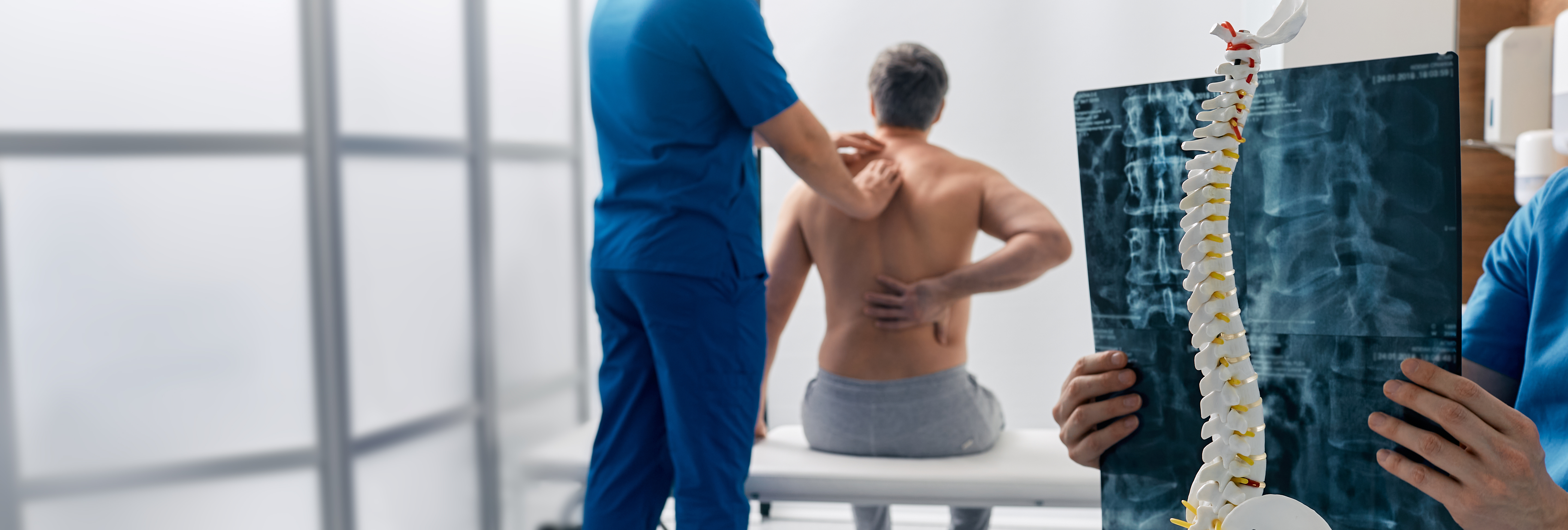
You May Not Have to Choose Between Pain and Surgery
If you've been told surgery is your only remaining option, we want you to hear something clearly: it may not be. Non-surgical spinal decompression therapy is an established, evidence-supported treatment for the exact conditions that often lead to that conversation — herniated discs, bulging discs, degenerative disc disease, spinal stenosis, and disc-related sciatica. It is available right here in Newark. And it has helped patients who were certain they were out of options.
At least one patient came to us after driving more than 30 minutes to Columbus and paying three times the price — not knowing this therapy was available locally. If you've been researching decompression elsewhere, call us before you commit to anything. You don't have to leave Licking County for this.
How Spinal Decompression Therapy Actually Works
This is not passive stretching. Spinal decompression therapy uses a motorized traction table to apply precise, computer-controlled distraction forces to targeted segments of the spine. The goal is to create measurable negative intradiscal pressure — a reduction in pressure inside the disc itself.
That negative pressure does two things: it promotes retraction of herniated or bulging disc material away from the nerve it's compressing, and it restores the flow of oxygen, nutrients, and fluid into the disc tissue that needs it to heal. Damaged discs have poor circulation on their own. Decompression creates the mechanical conditions that allow healing to occur. That's the mechanism — not marketing, not theory. It's physics applied to a biological problem.
Conditions We Treat with Spinal Decompression
Spinal decompression therapy is most effective for disc-related conditions where nerve compression is driving the pain. We use it to treat:
- Herniated disc (lumbar or cervical)
- Bulging disc
- Degenerative disc disease
- Disc-related sciatica
- Spinal stenosis
- Facet syndrome
- Chronic low back pain that hasn't responded to other conservative care
If you're unsure whether your condition qualifies, call the office. Dr. Cody will review your history and imaging before recommending a course of care.
What to Expect During a Session
You'll lie fully clothed on the decompression table, and a harness will be fitted around your pelvis or torso depending on the area being treated. The table does the work — applying gentle, rhythmic tension to the targeted spinal segment in a controlled cycle of distraction and relaxation. Most patients describe the sensation as mild pulling or a feeling of relief. Sessions typically run 20 to 30 minutes.
How Many Sessions Does It Take?
Most courses of spinal decompression therapy involve 15 to 20 sessions over four to six weeks, often combined with chiropractic adjustments and therapeutic exercises. Results vary by condition and severity. Dr. Cody will outline a realistic care plan at your first visit — including what progress typically looks like and how we measure it. You'll know what to expect before you start.
Who Is — and Isn't — a Candidate
Spinal decompression therapy is appropriate for many patients with disc-related conditions, but not all. Dr. Cody conducts a thorough evaluation before recommending it.
Decompression is generally not appropriate for patients who are pregnant, have severe osteoporosis, have had spinal fusion surgery, or have certain types of implants or fractures. Patients with active cancer affecting the spine are also not candidates. This is why an evaluation comes first — the goal is to confirm that decompression is the right tool for your specific situation, not to put every patient on the table.
Does Insurance Cover Spinal Decompression?
Coverage for non-surgical spinal decompression varies by plan. Many insurance plans — including Medicare — do cover decompression therapy when it is medically indicated and properly documented. We encourage every patient to call our office at (740) 670-0890 before their first visit so we can help verify your specific benefits. We'd rather spend five minutes on the phone with you than have you make a care decision based on cost assumptions that turn out to be wrong.
Spinal Decompression Therapy in Newark — Delivered by Dr. Cody
Every patient who receives spinal decompression therapy at Renew Spine & Wellness is evaluated and treated by Dr. Cody directly. There are no rotating staff, no assistants running sessions unsupervised. Dr. Cody has practiced in Newark since 2014, and his approach to spinal care is grounded in both chiropractic training and a background in nutrition from Ohio State — which means he looks at disc health as part of a broader picture that includes how your body heals, not just how it hurts.
If you've been living with disc pain, sciatica, or the weight of a surgery recommendation you're not ready to accept, this is worth a conversation.
Ready to Find Out If Decompression Is Right for You?
Call our Newark office at (740) 670-0890 or complete our new patient intake form to get started. Dr. Cody will review your history, discuss your imaging if you have it, and give you a straight answer about whether spinal decompression therapy is the right next step for your situation.
Spinal Decompression Therapy — Common Questions
Is spinal decompression the same as regular traction?
They share a similar principle but are not the same. Traditional traction applies a constant pulling force, which can cause muscles to guard and resist. Spinal decompression uses computer-controlled, variable tension that cycles between distraction and relaxation — a pattern specifically designed to reduce muscle guarding and create the negative intradiscal pressure that promotes disc healing. The precision is what makes it different.How do I know if my disc problem is severe enough to need decompression?
Severity alone doesn't determine candidacy — the nature of the condition does. Decompression is most appropriate when a disc is compressing a nerve and conservative care hasn't resolved it. If you have imaging that shows a herniated or bulging disc, or if you're experiencing radiating pain, numbness, or weakness into your arm or leg, you're in the range where decompression is worth evaluating. Call us and we'll tell you honestly whether it fits your situation.Will spinal decompression therapy for herniated disc work for me if I've already tried other treatments?
Many of our decompression patients come to us after physical therapy, injections, or standard chiropractic care has plateaued. Decompression addresses the disc itself — the source of the compression — rather than the surrounding musculature. If prior treatments haven't resolved the nerve involvement, decompression may reach what those approaches couldn't.Is spinal decompression therapy available near me in Newark or Licking County?
Yes. Renew Spine & Wellness offers spinal decompression therapy at our Newark location at 1520 W. Church St. We serve patients from across Licking County, including Granville, Heath, Pataskala, and Hebron. You don't need to drive to Columbus for this treatment.How soon will I feel results from decompression therapy?
Some patients notice relief within the first few sessions. Others see gradual improvement over the course of the full treatment plan. It depends on the condition, how long it has been present, and how the disc tissue responds. Dr. Cody will set clear expectations at your evaluation and track your progress throughout care — so you're never left wondering whether it's working.
Working Hours
- Mon, Tue, Thu
- - -
- Wednesday
- Closed
- Friday
- -
- Sat - Sun
- Closed